Top

Functional Medicine Approach to Thyroid Health

Thyroid health can influence energy, metabolism, body temperature, mood, digestion, reproductive health and overall wellbeing. Yet thyroid-related symptoms can be complex, and they do not always correlate neatly with a single laboratory value.

At RH+, the functional medicine approach looks at thyroid health within the broader context of nutrition, immune function, metabolism, gastrointestinal health, sleep, stress, lifestyle and relevant laboratory findings.

With Prashantt J Wadhaawan, Functional Medicine Practitioner and Founder of RH+, the aim is to understand patterns across your symptoms, history and health data rather than viewing thyroid markers in isolation.

Online functional medicine consultations are available across India.


Book A Functional Medicine Consultation

Thyroid Symptoms Can Develop Gradually

Thyroid-related concerns often develop over time and may be influenced by multiple factors.

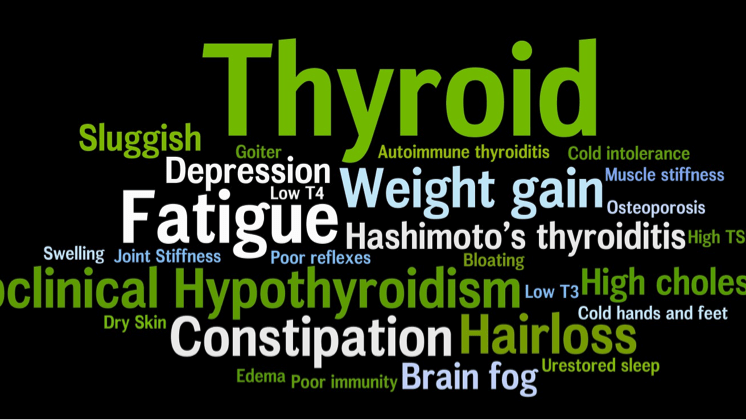
Some individuals may experience symptoms such as fatigue, changes in body weight, cold intolerance, changes in bowel habits, dry skin, hair changes, altered mood, menstrual irregularities, reduced exercise tolerance or changes in concentration.

These symptoms are not specific to thyroid disease and may overlap with other health concerns.

A functional medicine assessment therefore looks at the timeline of symptoms, existing thyroid diagnosis, medications, nutrition, lifestyle, stress, sleep and relevant investigations together.


Understanding Thyroid Function

The thyroid gland produces hormones that play an important role in metabolism, energy regulation, temperature control and many other physiological processes.

Thyroid function is influenced by a wider endocrine system that includes signals from the hypothalamus and pituitary gland.

Common thyroid-related conditions include:

  • Hypothyroidism
  • Hyperthyroidism
  • Hashimoto’s thyroiditis
  • Graves’ disease
  • Thyroid nodules
  • Other thyroid disorders

Each condition requires appropriate medical evaluation and may have different treatment requirements.


What Does Functional Medicine Look at in Thyroid Health?

Functional medicine does not replace diagnosis or management by a physician or endocrinologist.

Its role is to take a wider view of the individual and consider factors that may be relevant to overall thyroid and metabolic health.

Depending on the person, this may include the following.

Nutrition & Nutrient Status

Several nutrients are involved in normal thyroid physiology and broader metabolic function.

A functional medicine assessment may consider dietary adequacy and, where appropriate, relevant nutrient status.

This may include areas such as:

  • Protein intake
  • Iodine intake
  • Selenium
  • Iron status
  • Zinc
  • Vitamin D
  • Vitamin B12
  • Folate
  • Overall dietary quality

Supplementation should not be used indiscriminately, particularly with nutrients such as iodine, because excess intake may also be problematic in some thyroid conditions.


Autoimmune & Immune Health

Hashimoto’s thyroiditis and Graves’ disease are autoimmune thyroid conditions.

Where autoimmunity is present, the broader health assessment may also consider:

  • Gastrointestinal health
  • Nutrition
  • Sleep
  • Stress
  • Metabolic health
  • Environmental factors
  • Other autoimmune conditions
  • Relevant antibodies and medical investigations

Internal link:
Explore Autoimmune & Immune Health →


Gut & Digestive Health

Digestive symptoms may coexist with thyroid concerns and can influence nutrition, food intake and overall wellbeing.

A functional medicine assessment may consider:

  • Bowel habits
  • Bloating
  • Reflux
  • Food tolerance
  • Previous gastrointestinal diagnoses
  • Coeliac disease where clinically relevant
  • Nutritional absorption concerns
  • Medication history

Internal link:
Explore Gut & Digestive Health →


Hashimoto’s Thyroiditis

Hashimoto’s thyroiditis is an autoimmune condition in which the immune system targets thyroid tissue.

It is a common cause of hypothyroidism and may involve thyroid antibodies such as anti-thyroid peroxidase and anti-thyroglobulin antibodies.

A functional medicine approach may consider the broader context of Hashimoto’s, including nutrition, gastrointestinal health, immune health, sleep, stress, metabolic health and existing medical treatment.

However, functional medicine should not be presented as a replacement for appropriate thyroid hormone treatment or specialist care where these are required.


Thyroid Laboratory Markers

Thyroid health should not be interpreted using a single marker in isolation. Depending on the clinical context, thyroid investigations may include:

  • TSH
  • Free T4
  • Free T3
  • Thyroid peroxidase antibodies
  • Thyroglobulin antibodies
  • Other thyroid-specific investigations where indicated

The relevance of each marker depends on symptoms, medication use, diagnosis, age, pregnancy status and broader clinical context.

Existing reports should generally be reviewed before additional testing is considered.


Why Symptoms May Persist Even When TSH Is “Normal”

Some people continue to experience symptoms despite thyroid laboratory results being within the reference range. This does not automatically mean that thyroid treatment is inadequate or that a hidden thyroid disorder is present.

Persistent symptoms can also be influenced by factors such as:

  • Sleep quality
  • Nutritional deficiencies
  • Iron status
  • Stress
  • Mental health
  • Metabolic health
  • Physical inactivity
  • Calorie intake
  • Other medical conditions
  • Medication effects

This is why symptoms and biomarkers should be interpreted together rather than assuming that every persistent symptom is thyroid-related.


Thyroid Health, Stress & Sleep

Chronic sleep disruption and ongoing physical or psychological stress can influence energy, appetite, metabolic health and overall wellbeing by overstimulation of adrenal gland to produce more stress hormones such as cortisol.

Cortisol have influence of sugar levels, reverse T3 and other factors which make thyroid-related symptoms feel more pronounced.

For this reason, a broader thyroid-health assessment often includes:

  • Sleep duration
  • Sleep quality
  • Work and lifestyle stress
  • Exercise load
  • Recovery
  • Meal timing
  • Caffeine intake
  • Overall lifestyle pattern

Nutrition in Thyroid Health

There is no single thyroid diet that is appropriate for everyone.

Dietary recommendations should depend on the individual’s diagnosis, nutritional status, metabolic health, gastrointestinal health, medication use and food preferences.

A personalised nutrition strategy may consider:

  • Adequate protein intake
  • Overall dietary quality
  • Micronutrient adequacy
  • Appropriate energy intake
  • Blood-glucose regulation
  • Fibre intake
  • Food tolerance
  • Meal timing
  • Individual dietary preferences

Highly restrictive diets should not be used automatically simply because someone has thyroid disease.


Gluten, Dairy & Thyroid Disease

People with thyroid concerns are often advised online to remove gluten or dairy.

This should not be automatic.

Gluten avoidance is medically necessary in coeliac disease and may be relevant in other specific situations, but unnecessary long-term food restriction can reduce dietary variety and nutritional adequacy.

Similarly, dairy should only be restricted when there is a clear reason such as allergy, intolerance or individual symptom response.

Dietary changes should be personalised rather than based on a one-size-fits-all thyroid protocol.


Do You Need Additional Thyroid Testing?

Not necessarily.

Many individuals already have useful thyroid and general health reports that should be reviewed first.

Depending on the circumstances, further investigations may be considered when they are likely to provide information that changes management.

We do not recommend broad testing simply because someone has thyroid symptoms.


When Medical Evaluation Is Important

Thyroid disorders require appropriate medical diagnosis and monitoring.

Seek medical evaluation for symptoms such as:

  • Significant or rapidly worsening fatigue
  • Marked palpitations
  • Unexplained major weight changes
  • Severe heat or cold intolerance
  • Neck swelling or thyroid enlargement
  • Difficulty swallowing
  • New thyroid nodules
  • Pregnancy with known or suspected thyroid disease
  • Severe mood or cognitive changes
  • Other rapidly worsening symptoms

Medication changes should only be made by the appropriately qualified prescribing healthcare professional.


Our Functional Medicine Approach to Thyroid Health

1. Understand Your Thyroid & Health Timeline

We review when symptoms began, previous diagnoses, medication history, health events and relevant lifestyle changes.

2. Review Existing Thyroid Reports

Existing laboratory tests, imaging, medications and supplements are reviewed in context.

3. Identify Relevant Patterns

We look at possible relationships involving nutrition, metabolism, immune health, gastrointestinal health, sleep, stress and other health factors.

4. Develop a Personalised Strategy

Recommendations may include nutrition, lifestyle, exercise, sleep, stress support and appropriate supplementation according to the individual’s needs.

5. Reassess

Progress is reviewed over time and recommendations are adjusted based on symptoms, response and relevant health data.


Functional Medicine for Thyroid Health Across India

Online functional medicine consultations allow individuals across India to review their thyroid health from a broader perspective.

You can share:

  • Thyroid laboratory reports
  • Existing medical investigations
  • Medication history
  • Supplement use
  • Symptom timeline
  • Nutrition
  • Lifestyle information
  • Other relevant health data

with Prashantt J Wadhaawan, Functional Medicine Practitioner.


Thyroid Health FAQs

Can functional medicine cure hypothyroidism?

Functional medicine should not be presented as a cure for hypothyroidism. Its role is to explore nutrition, lifestyle, metabolic health, immune health and other factors that may support overall wellbeing alongside appropriate medical management.

Can Hashimoto’s be reversed?

Hashimoto’s is an autoimmune thyroid condition. Disease activity, antibody levels and symptoms can vary over time, but it is not appropriate to promise that Hashimoto’s can be universally reversed. Appropriate medical monitoring remains important.

Should I stop thyroid medication if I feel better?

No. Thyroid medication should not be stopped or adjusted without guidance from the prescribing medical professional.

Is TSH enough to understand thyroid health?

TSH is an important thyroid marker, but its interpretation depends on the individual’s diagnosis, symptoms, medication use and clinical context. Other thyroid investigations may be relevant in selected situations.

Do I need to avoid gluten if I have Hashimoto’s?

Not automatically. Gluten avoidance is required in coeliac disease and may be appropriate in other specific situations, but it should not be assumed that everyone with Hashimoto’s needs a gluten-free diet.

Can gut health affect thyroid health?

Gut health, nutrition and immune function can interact in complex ways, particularly in autoimmune conditions. However, digestive dysfunction should not automatically be assumed to be the cause of thyroid disease.

Can I have an online thyroid functional medicine consultation?

Yes. Online functional medicine consultations are available across India, provided remote consultation is appropriate for your circumstances.
Work With Prashantt J Wadhaawan

If you are living with a thyroid condition or persistent thyroid-related symptoms and want to understand your health in a broader context, a functional medicine consultation can provide a structured way to review your symptoms, nutrition, lifestyle, existing reports and other relevant health factors together.

Prashantt J Wadhaawan
Functional Medicine Practitioner | Founder, RH+

Online consultations available across India.